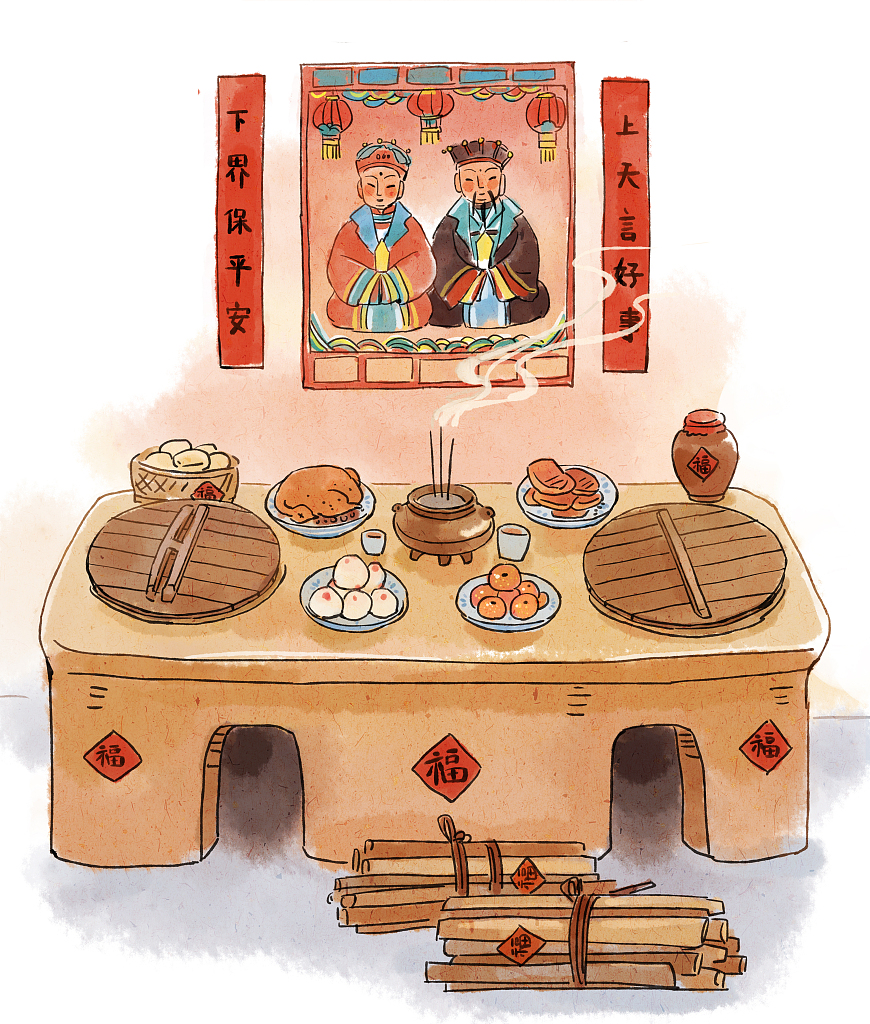
Sacrificial Activities
Introduction
Sacrificial activities have been an integral part of many cultural traditions, serving as a way to honor deities, ancestors, or significant historical figures. These ceremonies often involve rituals, offerings, and celebrations, and they play a crucial role in preserving cultural heritage and fostering community ties.
The Role of Sacrificial Activities in Chinese History
In Chinese history, sacrificial activities have been pivotal in state and religious ceremonies. For instance, during the reign of Yu the Great, sacrifices were made to commemorate his achievements in flood control and his role in establishing the Xia Dynasty. These activities were not only spiritual but also served as a means of unifying the community under shared cultural and historical narratives. The Map of Traces of Yu in China documents over a thousand locations where such activities and commemorations related to Yu have taken place, underscoring their historical importance.
Sacrificial Traditions
Sacrificial traditions have been an integral part of cultures worldwide, serving as a means to connect with deities, honor ancestors, and seek blessings for future prosperity. In China, sacrificial activities have deep historical roots, often associated with significant cultural and agricultural events. For instance, the Baiku Yao people of Guangxi hold grand sacrificial activities to mark the Yao New Year, celebrating the end of a year's hard work and praying for a bountiful harvest and favorable weather in the coming year. These events, infused with cultural richness, include performances like dragon and lion dances and traditional songs, reflecting the community's reverence and hope.
Preservation of Sacrificial Traditions
The preservation of sacrificial traditions is crucial for maintaining cultural identity and heritage. In the face of modernization and globalization, these activities provide a sense of continuity and belonging. Efforts to document and protect these traditions, such as the establishment of cultural protection zones and the compilation of historical records, play a vital role in ensuring that these rich cultural practices endure for future generations.
Conclusion
Sacrificial activities are more than mere rituals; they are a testament to the enduring cultural narratives that shape communities and societies. By examining the diverse sacrificial traditions across cultures, we gain insight into the values, beliefs, and histories that define human civilization. As these traditions continue to evolve, they remain a vital link between the past, present, and future, preserving cultural heritage and fostering communal harmony.








